Trupeer Blog
In the sprawling landscapes where mining operations thrive, the challenges of training a diverse and often remote workforce are immense. Mining companies must ensure that every worker, from the executive team to the newest hire on-site, receives consistent, high-quality training. Video-based training has emerged as a critical tool in this scenario, bridging the gaps of distance, language, and expertise. With mining operations spanning multiple sites, sometimes across different countries, the logistics of traditional training methods become cumbersome and costly. Video-based training offers an efficient alternative.
Consider a mining company operating in Chile, Australia, and South Africa. Each site has its own operational nuances, safety regulations, and local workforce. A centralized training program using video can provide standardized information while being adaptable to local needs. According to a recent industry survey,
video-based training reduced training costs by 40% for 60% of the surveyed mining companies.
This statistic highlights the economic impact and underscores how essential video-based training has become in the mining sector. When SOPs come into the same conversation, a Scribe alternatives comparison helps clarify the scope.
This approach is not just about cost savings. It's about ensuring safety, enhancing productivity, and staying compliant with international standards. The ability to deliver precise, engaging, and multilingual training content is crucial. Companies like Trupeer.ai have stepped up to provide platforms that make video training accessible and scalable. By using such technologies, mining companies can overcome the challenges of remote locations and diverse workforces, ensuring every employee is equipped with the knowledge they need to succeed safely.
Why does video-based training matter for mining companies?
Mining companies face unique challenges training their workforce. The nature of their operations often involves remote and hazardous environments, requiring highly specialized safety protocols and operational procedures. This makes training a critical component of their success. However, traditional training methods can be inefficient and expensive, especially when dealing with a geographically dispersed workforce. This is where video-based training comes into play.
With video-based training, mining companies can overcome the logistical challenges of training employees scattered across various locations. They can deliver consistent training content that is easily accessible, regardless of the employee's location. This is particularly important for maintaining compliance with safety regulations and ensuring that all employees are up-to-date with the latest procedures and technologies. also, video-based training allows for the inclusion of visual and interactive elements, which can enhance understanding and retention of complex information. By adopting video-based training, mining companies can not only improve the efficiency and effectiveness of their training programs but also build a safer and more knowledgeable workforce. Teams weighing tools often start with a Loom alternatives comparison before standardizing on a workflow.
The impact of video-based training extends beyond logistical efficiency. It also plays a significant role in enhancing the overall effectiveness of training programs. Visual learning aids, such as demonstrations and simulations, can help employees grasp complex concepts more readily. This is particularly beneficial in the mining industry, where technical skills and safety protocols are paramount. By providing a platform for interactive and engaging training content, video-based training can improve knowledge retention and application in real-world scenarios. As a result, mining companies can expect a more competent and confident workforce, ultimately leading to improved operational performance and a reduction in workplace incidents.
What are the benefits of video-based training in mining?
Video-based training offers numerous advantages for mining companies seeking to enhance their training programs. Here are some key benefits:
Cost Reduction. Implementing video-based training can significantly lower training costs by reducing the need for on-site trainers and travel expenses. This allows mining companies to allocate resources more efficiently and focus on other critical areas.
Consistent Training Content. Video-based training ensures that all employees receive the same high-quality training content, regardless of their location. This consistency is crucial for maintaining safety standards and operational efficiency across multiple sites.
Scalability. As mining companies expand their operations, video-based training can easily scale to accommodate a growing workforce. This flexibility allows companies to quickly onboard new employees and provide ongoing training as needed.
Enhanced Engagement. Video-based training incorporates visual and interactive elements that can increase employee engagement and motivation. This leads to better retention of information and improved application of skills in the workplace.
Multilingual Support. With the ability to provide training content in multiple languages, video-based training can cater to a diverse workforce. This ensures that all employees, regardless of their language proficiency, can access and understand essential training materials.
Improved Knowledge Retention. Studies have shown that visual learning aids, such as videos, can enhance knowledge retention and comprehension. By incorporating these elements into their training programs, mining companies can ensure that employees are better equipped to apply their skills on the job.
For a deeper look, our guide on training video production covers the adjacent playbook.
Teams ship this workflow end-to-end using Trupeer's AI video platform, which turns raw recordings into polished output without an editor.
Which Trupeer features help you implement video-based training?
Trupeer offers a range of features that can significantly enhance the implementation of video-based training for mining companies. Here are some of the key capabilities:
AI screen recording with auto-zoom and click detection
This feature allows mining companies to create detailed training videos that capture every action on the screen with precision. The auto-zoom function ensures that important details are highlighted, making it easier for employees to follow along. Click detection provides visual cues for actions, enhancing the learning experience. Such precision is vital in training sessions that involve complex software or equipment demonstrations, ensuring that nothing is missed. With this feature, companies can produce high-quality training content without the need for extensive editing.
AI voiceover in 65+ natural voices, adjustable pace and tone
Trupeer's AI voiceover capabilities offer mining companies the flexibility to create engaging training videos in multiple languages. With over 65+ natural voices available, companies can select the most appropriate tone and pace for their audience. This feature is particularly beneficial for multilingual workforces, as it enables the delivery of consistent training content in the preferred language of the employees. The ability to adjust pace and tone ensures that the content is accessible and easy to understand. This feature significantly enhances the reach and effectiveness of training programs.
AI avatars / talking-head video
Using AI avatars, mining companies can add a personal touch to their training videos, making them more relatable and engaging. These avatars can be customized to represent company personnel or generic figures, providing a familiar face for employees to connect with. The use of talking-head videos can break up lengthy training modules, keeping employees engaged and attentive. For companies looking to maintain a consistent brand image, the availability of branded templates ensures that all video content aligns with corporate identity. This feature helps humanize video-based training, making it more approachable and memorable.
Automatic SOP generation from any recording
Trupeer's ability to automatically generate Standard Operating Procedures (SOPs) from video recordings is a big shift for mining companies. This feature allows for the quick and efficient creation of comprehensive SOPs without manual transcription. The generated documents are edit-ready and can be exported in multiple formats, such as MP4, HTML, PDF, and SCORM. This feature not only saves time but also ensures that all training materials are up-to-date and easily accessible. The integration with Trupeer's AI documentation platform further enhances the value of this capability, providing a smooth solution for managing training content.
AI-searchable knowledge base with timestamp deep-links
Trupeer's AI-searchable knowledge base is a powerful tool for managing and accessing training content. This feature allows mining companies to create a centralized repository of training videos, which can be easily searched and accessed by employees. The inclusion of timestamp deep-links enables users to quickly locate specific sections within a video, simplifying the learning process. This feature is particularly useful for employees seeking quick answers to specific questions or to revisit particular topics. By providing a searchable knowledge base, Trupeer enhances the accessibility and usability of video-based training content.
How do you implement video-based training step by step with Trupeer?
Step 1: Capture the Training Content
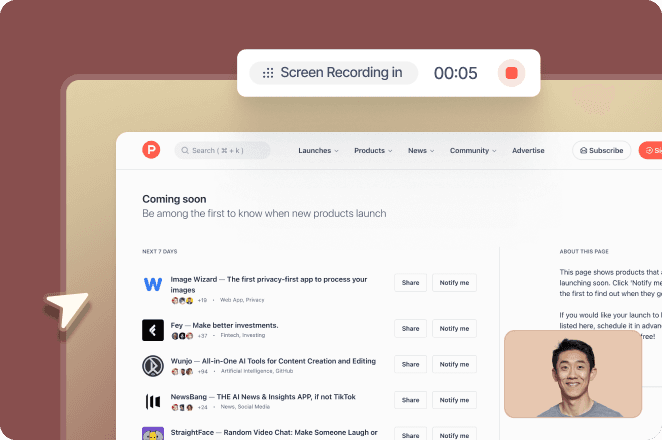
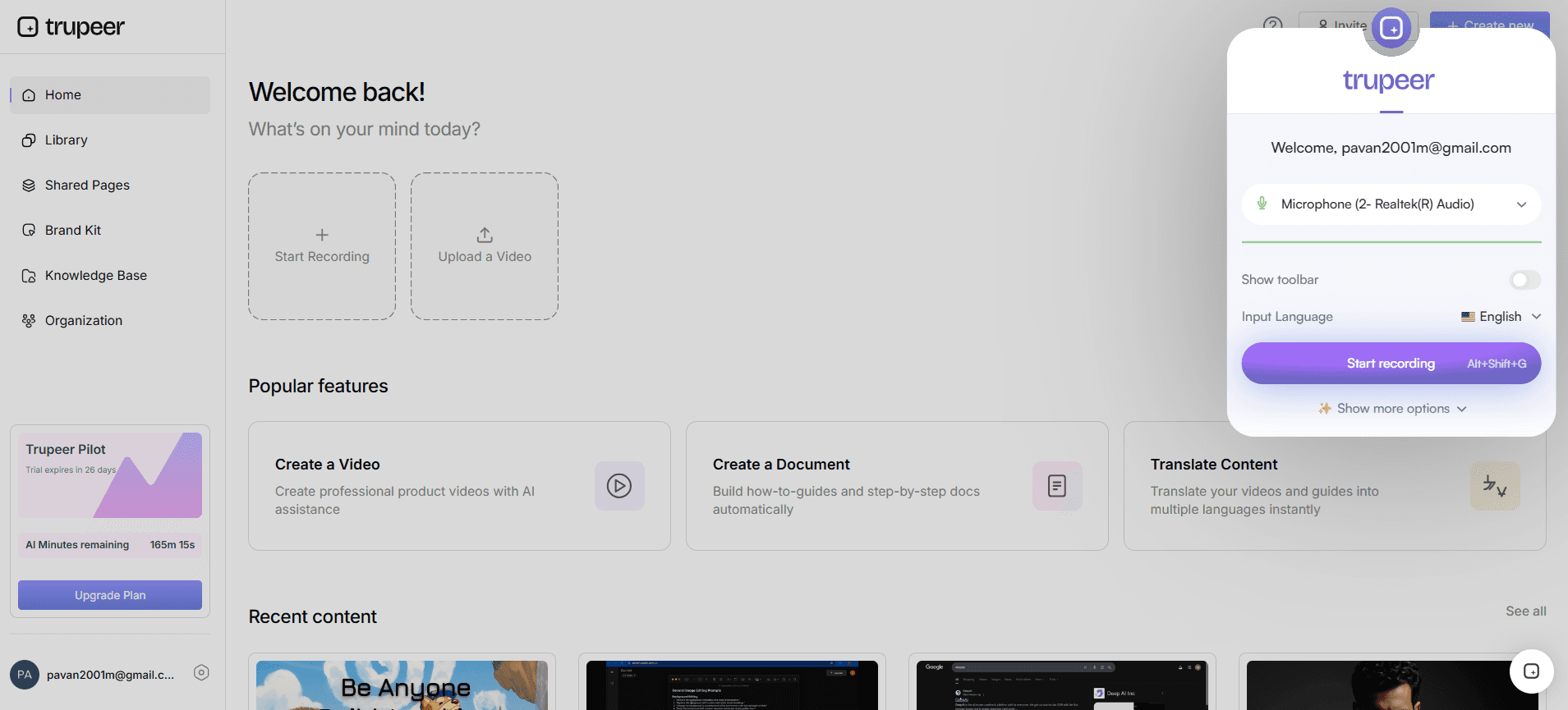
Start by using Trupeer's AI screen recording with auto-zoom and click detection. Navigate to the specific software or process you want to capture on your screen. Click the "Record" button in the Trupeer interface, and the AI will automatically focus and zoom on key actions, ensuring that the most critical elements are highlighted. This feature allows for the efficient creation of training videos without needing extensive manual editing. The recording process is silent, letting you focus on demonstrating the task at hand. Once finished, click "Stop" to end the recording, which is then saved directly onto your dashboard.
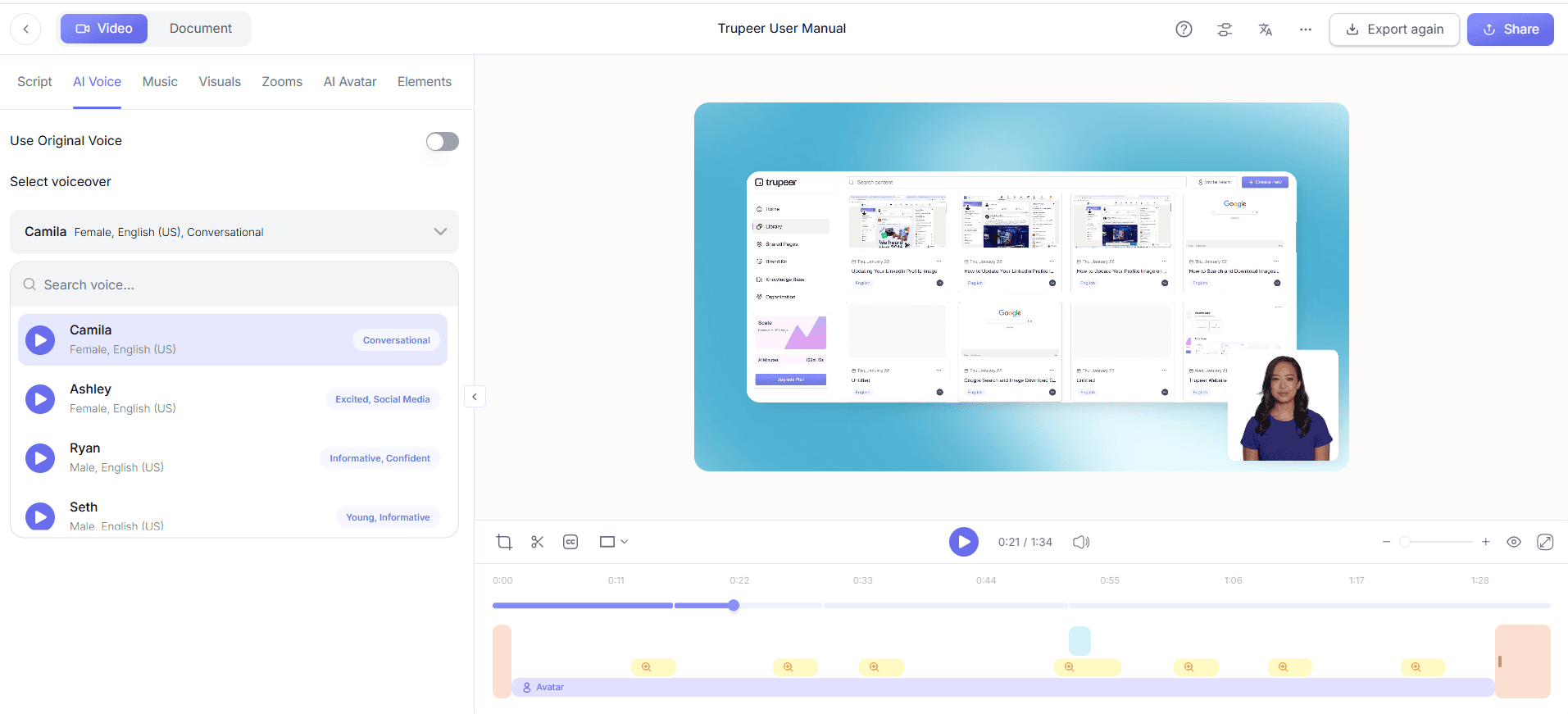
Step 2: Add AI Voiceover
After capturing your video, enhance it with Trupeer's AI voiceover in 65+ natural voices. Click on the "Voiceover" option in the video editor, select your preferred voice, and adjust the pace and tone to match your audience's needs. This feature ensures that your training content is engaging and easily accessible to all employees. It takes only a few minutes for Trupeer to generate the voiceover, which can be reviewed and adjusted as necessary. This step is crucial for multilingual companies, as it allows you to create voiceovers in different languages, all within the same interface.
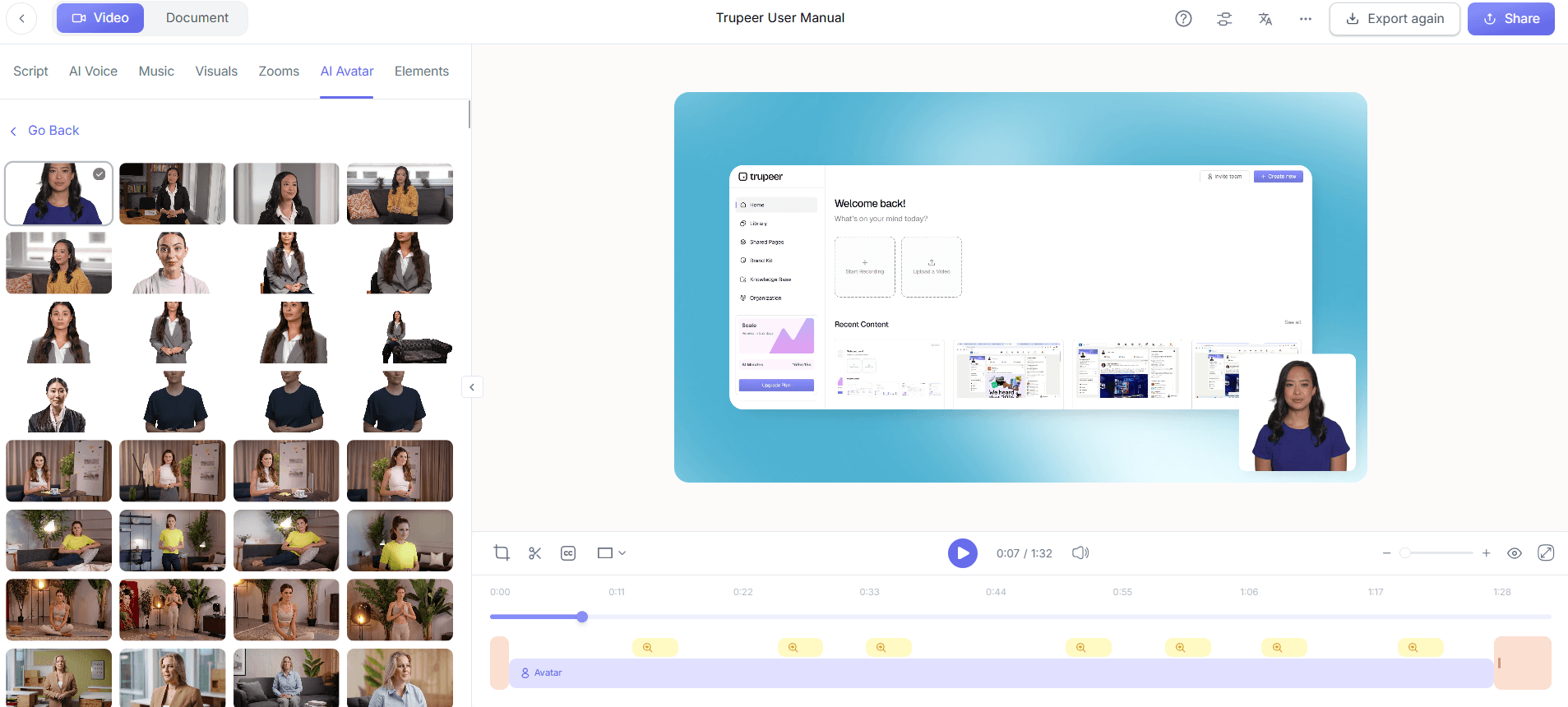
Step 3: Incorporate AI Avatars
To make your training videos more engaging, use Trupeer's AI avatars or talking-head videos. Go to the "Avatars" section of the editor, and choose from a library of stock avatars or create a custom one. These avatars can introduce segments or provide commentary, making the training more personal. Customize their appearance to align with your brand, ensuring consistency across all training materials. This step can be completed in under 10 minutes, providing a significant boost in viewer engagement and helping to humanize the content.
Step 4: Generate SOPs
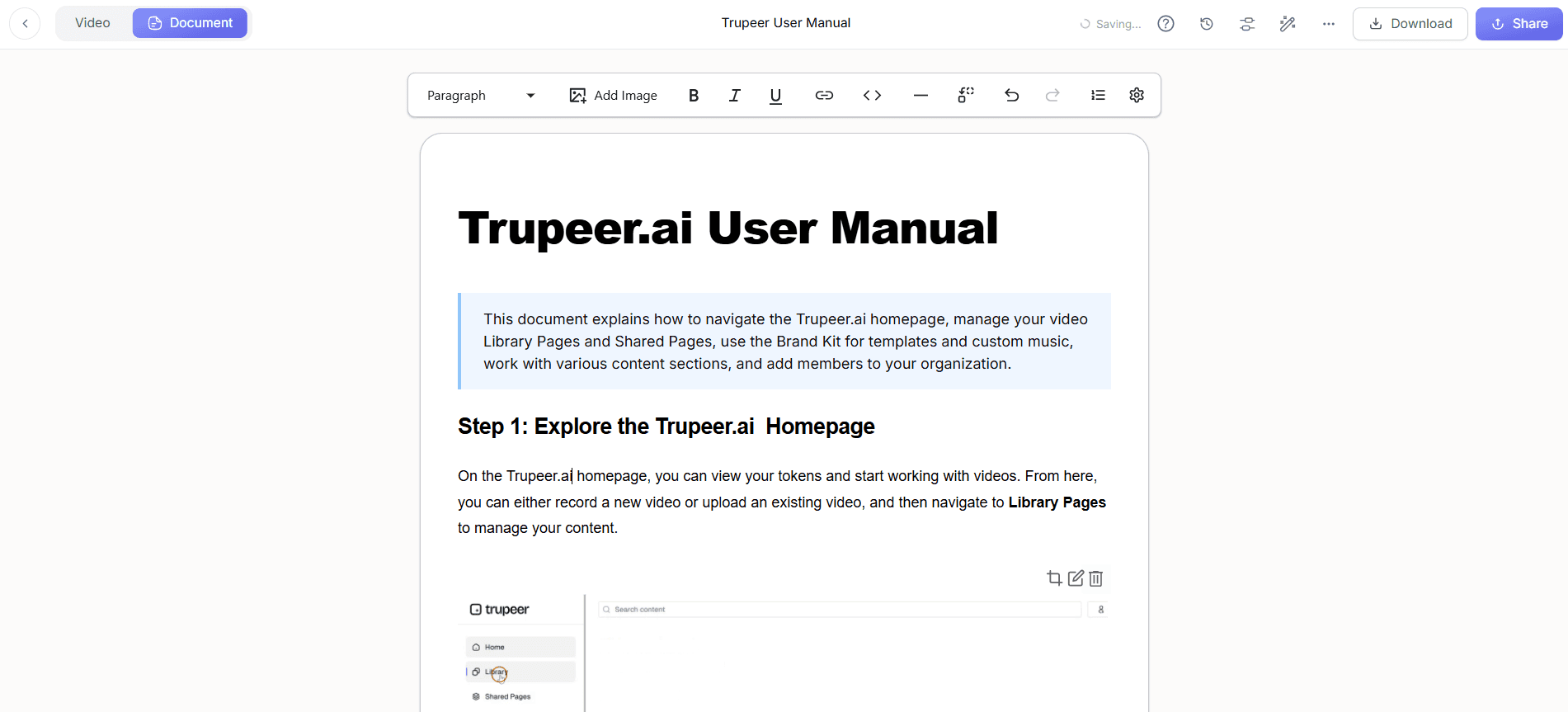
Once your video is complete, use Trupeer's automatic SOP generation to create a comprehensive document from your recording. Click on "Generate SOP" within the dashboard, and Trupeer will produce an edit-ready document. This document can be exported in multiple formats such as HTML, PDF, or SCORM for easy distribution. This feature is particularly valuable for maintaining standardized procedures across your organization, ensuring that every employee has access to the most up-to-date information. It takes approximately 5 minutes for the SOP to be generated and ready for review.
Step 5: Translate and Localize Content
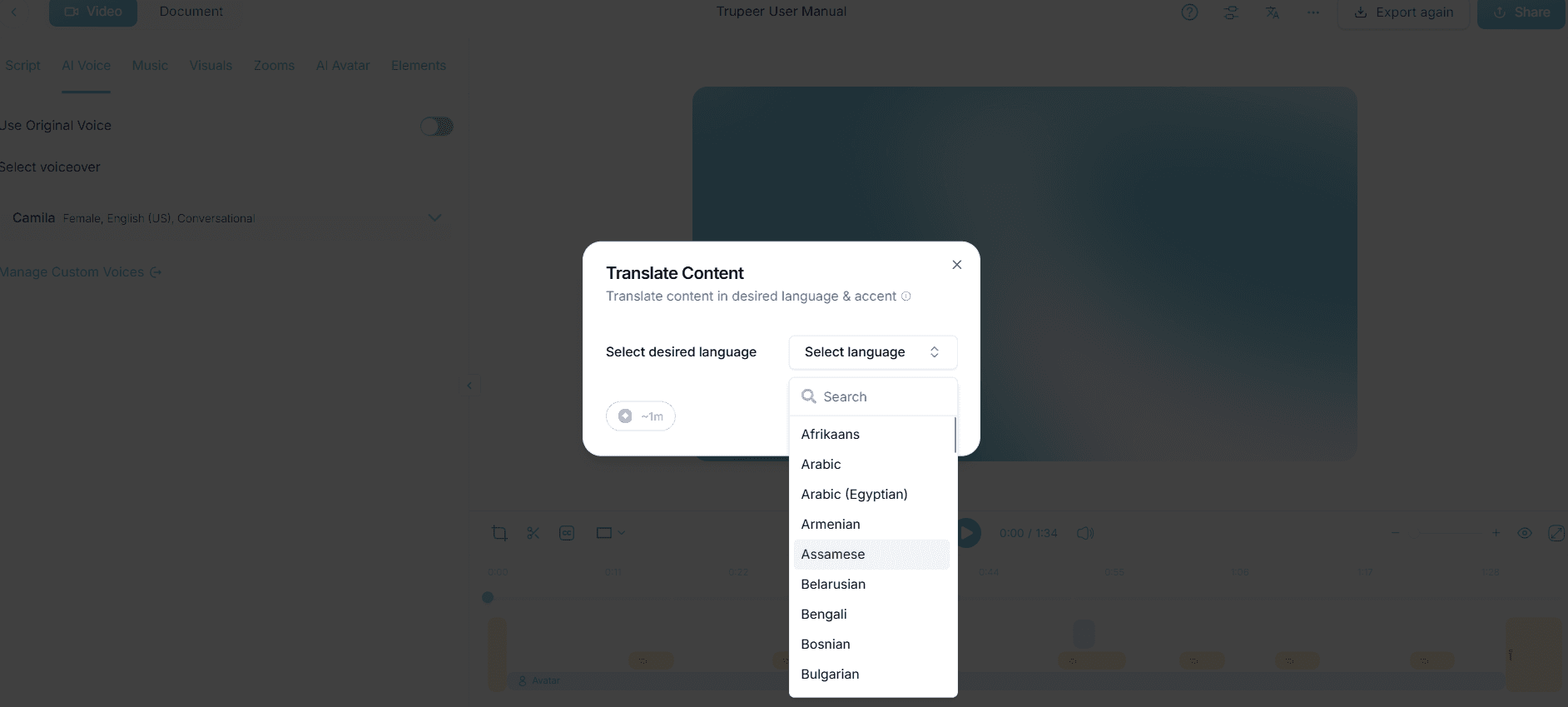
To cater to a diverse workforce, Trupeer's AI translation feature allows you to translate your video into over 40 languages. Click on the "Translate" option, select the desired language, and let Trupeer handle the rest, including AI dubbing with lip-sync. This ensures that every employee, regardless of language proficiency, can understand and benefit from the training. The translation process is automated, with results typically available within 30 minutes. This step is essential for global operations, ensuring compliance and understanding across international sites.
Step 6: Distribute and Monitor Engagement
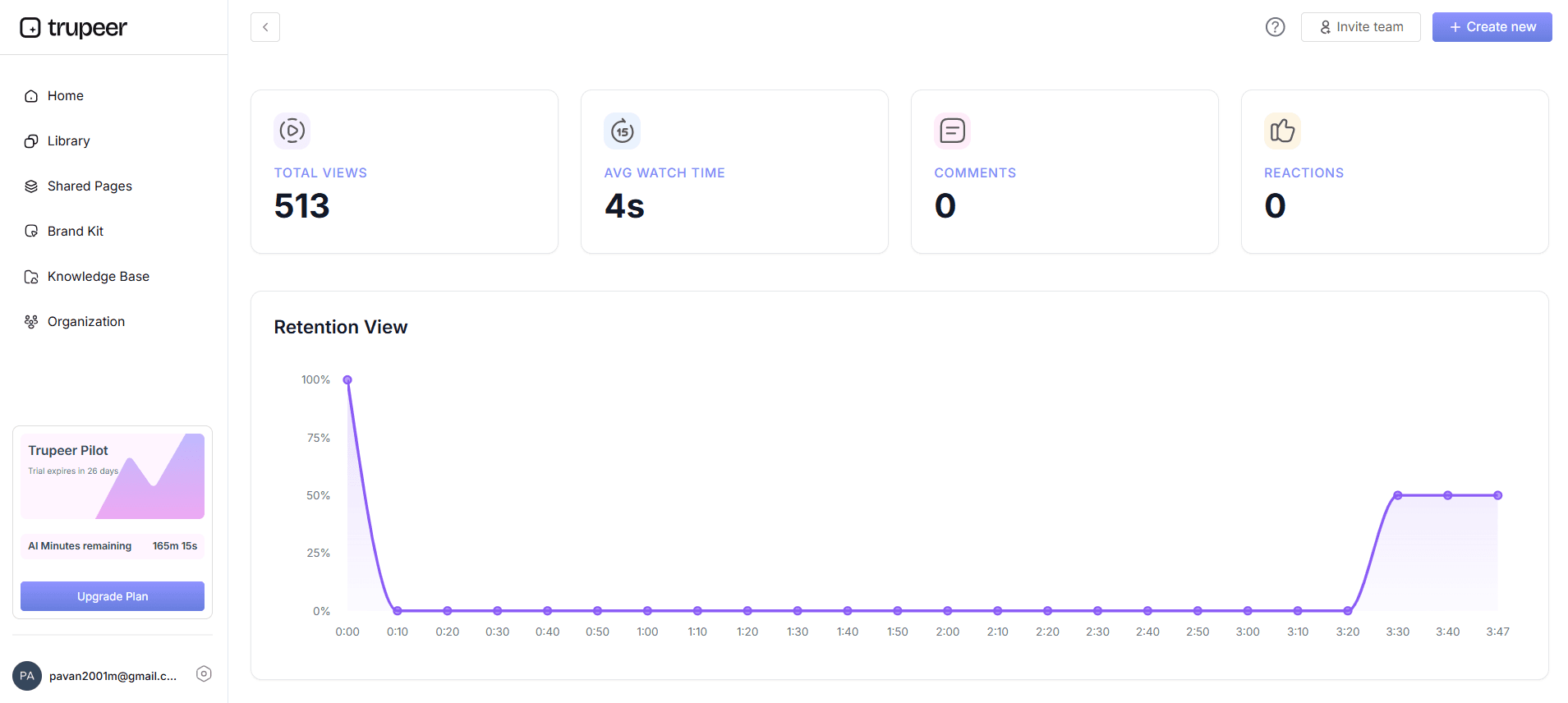
Finally, distribute your training content through Trupeer's AI-searchable knowledge base. Upload the video to the knowledge base, where it can be easily accessed and searched by employees. Use the timestamp deep-links to guide users directly to specific sections of the video. Monitor viewer engagement through Trupeer's analytics dashboard, which provides insights into viewing patterns, drop-off rates, and more. These analytics help you refine and improve future training content, ensuring maximum impact and engagement. The knowledge base setup takes only a few minutes, with ongoing monitoring available at any time.
What tips help you optimize video-based training for mining?
Implementing video-based training effectively requires strategic planning and execution. Here are some tips to maximize the impact of your training programs:
Understand Your Audience. Tailor your video content to the specific needs and preferences of your workforce. Consider language preferences and technical expertise to ensure accessibility and relevance.
Keep Videos Concise. Aim for brevity to maintain attention and engagement. Break down complex topics into shorter, focused segments that are easier to digest.
use AI Tools. Use AI features like voiceover and avatars to enhance engagement and understanding. These tools can make complex information more relatable and easier to grasp.
Standardize Visuals. Maintain consistency in branding and visual style across all videos. This helps reinforce your company's identity and professionalism.
Incorporate Interactivity. Add quizzes or interactive elements to reinforce learning and assess understanding. This can increase retention and application of knowledge.
Provide Multilingual Support. Ensure training materials are available in multiple languages to accommodate a diverse workforce. This promotes inclusivity and comprehension.
Regularly Update Content. Keep your training materials current to reflect the latest industry standards and practices. Regular updates ensure accuracy and relevance.
For a deeper look, our guide on best training video software covers the adjacent playbook.
Frequently asked questions
How effective is video-based training in improving safety in mining?
Video-based training is highly effective in enhancing safety in mining. It provides a visual and interactive way to communicate safety protocols and procedures, which can improve comprehension and retention among employees. By simulating real-world scenarios, videos allow workers to better understand potential hazards and the steps needed to mitigate them. This method has been shown to reduce workplace accidents significantly, as employees are better prepared to handle safety challenges. Regularly updated training videos ensure that workers are aware of the latest safety practices and regulations.
What types of content should be included in mining training videos?
Mining training videos should include content that covers safety protocols, equipment operation, emergency procedures, and regulatory compliance. also, they should feature demonstrations of tasks, simulations of potential hazards, and interviews with experts. Including quizzes or interactive elements can further enhance learning and comprehension. By providing a comprehensive overview of these topics, training videos can help ensure that employees are well-prepared to perform their duties safely and effectively. This approach also supports continuous learning and skill development within the workforce.
Can video-based training be integrated with existing HR systems?
Yes, video-based training can be integrated with existing HR systems. Many video training platforms, including Trupeer, offer API integrations that allow smooth connectivity with HR management systems. This integration enables HR teams to track employee progress, completion rates, and performance metrics directly within their existing systems. By linking training data with HR records, companies can better assess the impact of training initiatives and make data-driven decisions. Integration also simplifies administrative processes, reducing manual data entry and improving efficiency.
Does Trupeer support video localization for multinational mining companies?
Yes, Trupeer supports video localization through its AI translation and dubbing features. This allows multinational mining companies to provide training content in multiple languages, ensuring accessibility for employees worldwide. With over 40 languages supported, Trupeer enables companies to tailor their training materials to diverse linguistic needs. The platform's AI video translation feature also offers lip-sync capabilities, ensuring that dubbed content is natural and engaging. This comprehensive approach to localization helps promote understanding and compliance across global operations.
Is it possible to measure the effectiveness of video-based training?
Yes, the effectiveness of video-based training can be measured using analytics tools provided by platforms like Trupeer. These tools track viewer engagement metrics such as completion rates, drop-off points, and interaction levels. By analyzing this data, companies can identify areas where training content is effective and where improvements are needed. This feedback loop allows for the continuous refinement of training programs, ensuring they meet organizational goals and enhance employee performance. also, surveys and assessments can be used to gather qualitative feedback from employees, providing further insights into training impact.