Trupeer Blog
10 Best Knowledge Base Examples From Enterprise SaaS Companies

Imagine you're the head of customer support at a fast-growing SaaS company, and your team is overwhelmed by repetitive queries. Each day, they handle the same questions about basic features, wasting time that could be spent on more complex issues. This is where a well-crafted knowledge base can make a huge difference. It serves as a self-service tool, allowing users to find answers independently. One exceptional example in the industry achieved a
30% reduction in support tickets within six months
after implementing a comprehensive knowledge base. As you're about to discover, strong knowledge bases share common patterns. Here are 10 best knowledge base examples worth studying, with the specific design decisions that make each one effective for enterprise SaaS companies.
Why does a knowledge base matter?
Organizations are constantly seeking ways to improve efficiency and customer satisfaction. A well-organized knowledge base serves as a vital resource for both customers and employees. For customers, it provides quick access to information, reducing the need to contact support for basic inquiries. This not only saves time for the customer but also for the support staff, allowing them to focus on more complex issues. For employees, especially in customer success roles, a knowledge base serves as an internal resource to simplify their customer success workflow, ensuring they have the most accurate and up-to-date information at their fingertips.
The stakes are high because a poor knowledge base can lead to increased customer frustration and churn. When customers can't find the information they need quickly, they become frustrated and may choose to take their business elsewhere. This is particularly critical in the SaaS industry, where competition is fierce and customer loyalty can be fragile. By investing in a solid knowledge base, companies can enhance customer satisfaction, reduce churn, and ultimately drive revenue growth. It's not just a support tool; it's a strategic asset that can significantly impact the bottom line.
What are the benefits of a knowledge base?
A knowledge base offers several distinct advantages for enterprise SaaS companies, directly impacting efficiency and customer satisfaction.
Reduced support costs. By enabling self-service, a knowledge base decreases the number of support tickets. This reduces the workload on support teams and cuts operational costs.
Enhanced customer experience. Customers have access to 24/7 support through comprehensive documentation, improving their overall experience and satisfaction.
Consistent information delivery. A single source of truth ensures that both customers and employees receive consistent, accurate information, reducing errors and miscommunications.
Improved onboarding. New users can access step-by-step guides and tutorials that help them get started quickly, increasing adoption and reducing churn.
Scalability. As your company grows, a knowledge base one can easily scale to accommodate more content and users without additional resources.
Content variety and accessibility. A video generation platform enriches your knowledge base with diverse content formats, catering to different learning preferences and improving comprehension.
Which Trupeer features help you build a knowledge base?
Trupeer offers powerful tools that simplify the creation and management of an enterprise knowledge base, making it easier to deliver valuable content to your users.
AI screen recording with auto-zoom and click detection
This feature simplifies the process of creating instructional videos. With AI-driven auto-zoom and click detection, you can capture detailed screen interactions without manual adjustments. These recordings become valuable assets for your knowledge base, illustrating complex processes clearly. The automated focus on specific screen areas ensures that viewers don't miss critical steps, enhancing understanding and reducing follow-up questions. By integrating this tool, you can produce high-quality content rapidly, contributing to a comprehensive and user-friendly knowledge base.
Automatic SOP generation from any recording
Trupeer's capability to generate SOPs automatically from recordings is a big shift. It transforms video content into edit-ready, exportable documentation, saving you significant time and effort. This feature supports rapid documentation updates and ensures consistency across your knowledge base. When paired with the AI documentation platform, it simplifies the creation of detailed guides and procedural documents, making it easier for users to find the information they need.
AI voiceover in 65+ natural voices
With Trupeer's AI voiceover feature, you can add professional narration to your videos, choosing from over 65+ natural voices. This capability enhances the accessibility of your knowledge base, allowing users to engage with content in their preferred language and tone. The adjustable pace and tone further customize the user experience, making complex information more digestible. This feature is particularly beneficial for global teams and customers, ensuring your content resonates with diverse audiences.
AI-searchable knowledge base with timestamp deep-links
Trupeer's AI-searchable knowledge base indexes every recording with timestamp-level deep links. This means users can quickly locate the exact moment in a video where a specific topic is discussed. It significantly enhances the user experience by providing direct access to relevant content, reducing search times, and increasing satisfaction. This feature is vital for organizations aiming to deliver precise and efficient support to their users.
Viewer engagement analytics, drop-off, and heatmaps
Understanding how users interact with your knowledge base content is crucial for continuous improvement. Trupeer provides detailed engagement analytics, including drop-off rates and heatmaps. These insights help you identify which sections of your content resonate with users and where they lose interest. By using this data, you can refine your content strategy, ensuring that your knowledge base remains relevant and effective. This also aids in shaping future content to better meet user needs. Teams weighing tools often start with a Loom alternatives comparison before standardizing on a workflow.
How do you create a knowledge base step by step with Trupeer?
How do you create a knowledge base step by step with Trupeer?
Step 1: Capture Screens with AI Screen Recording
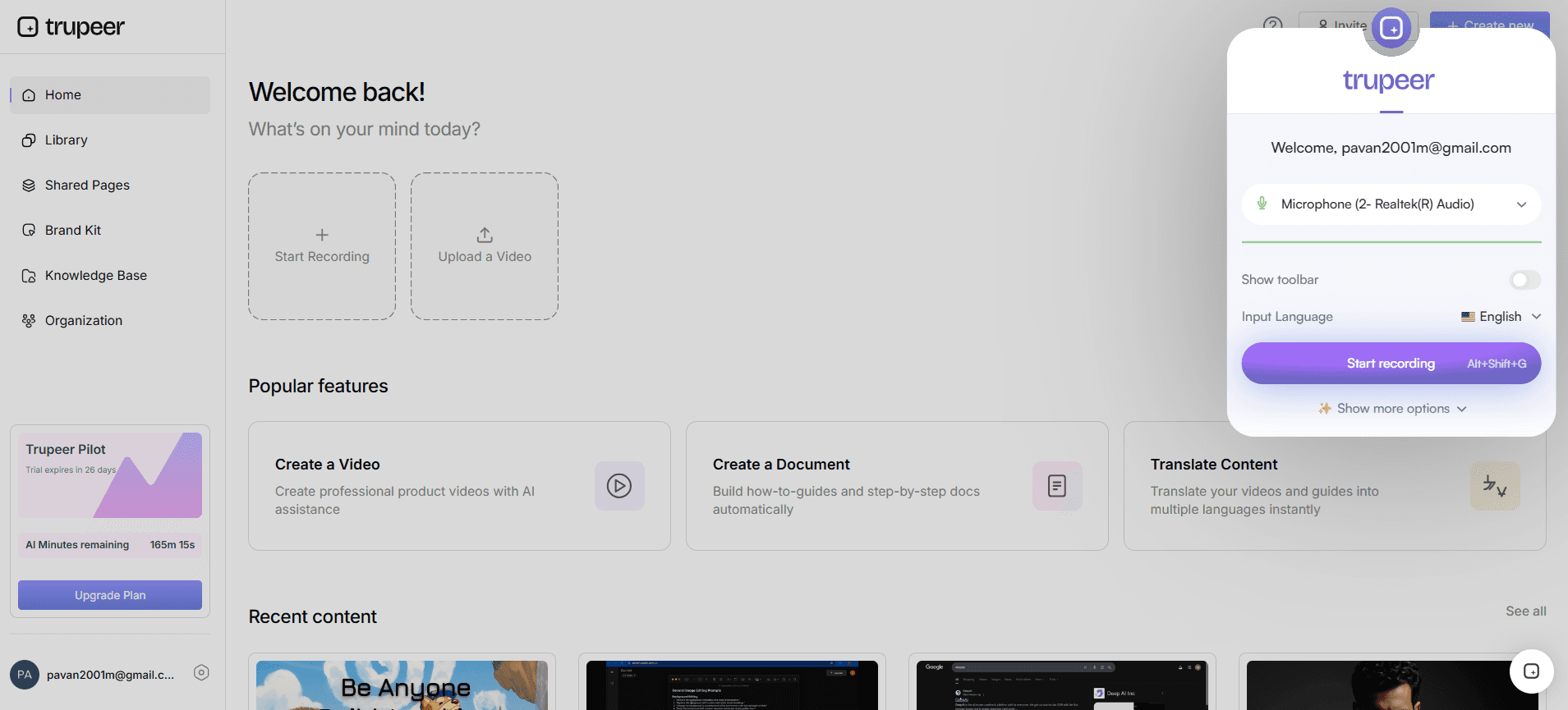
Begin by using Trupeer's AI screen recording with auto-zoom and click detection. Launch the browser-based recorder, which requires no installation, and select the screen area you wish to capture. Click 'Record' to start capturing your screen interactions. The AI automatically zooms into key actions, ensuring clarity. This feature is particularly useful for creating tutorials that require detailed visual focus. After recording, your video is automatically processed and ready for the next steps. This entire process typically takes just a few minutes, providing you with high-quality raw footage for your knowledge base. When SOPs come into the same conversation, a Scribe alternatives comparison helps clarify the scope.
Step 2: Enhance Videos with AI Voiceover
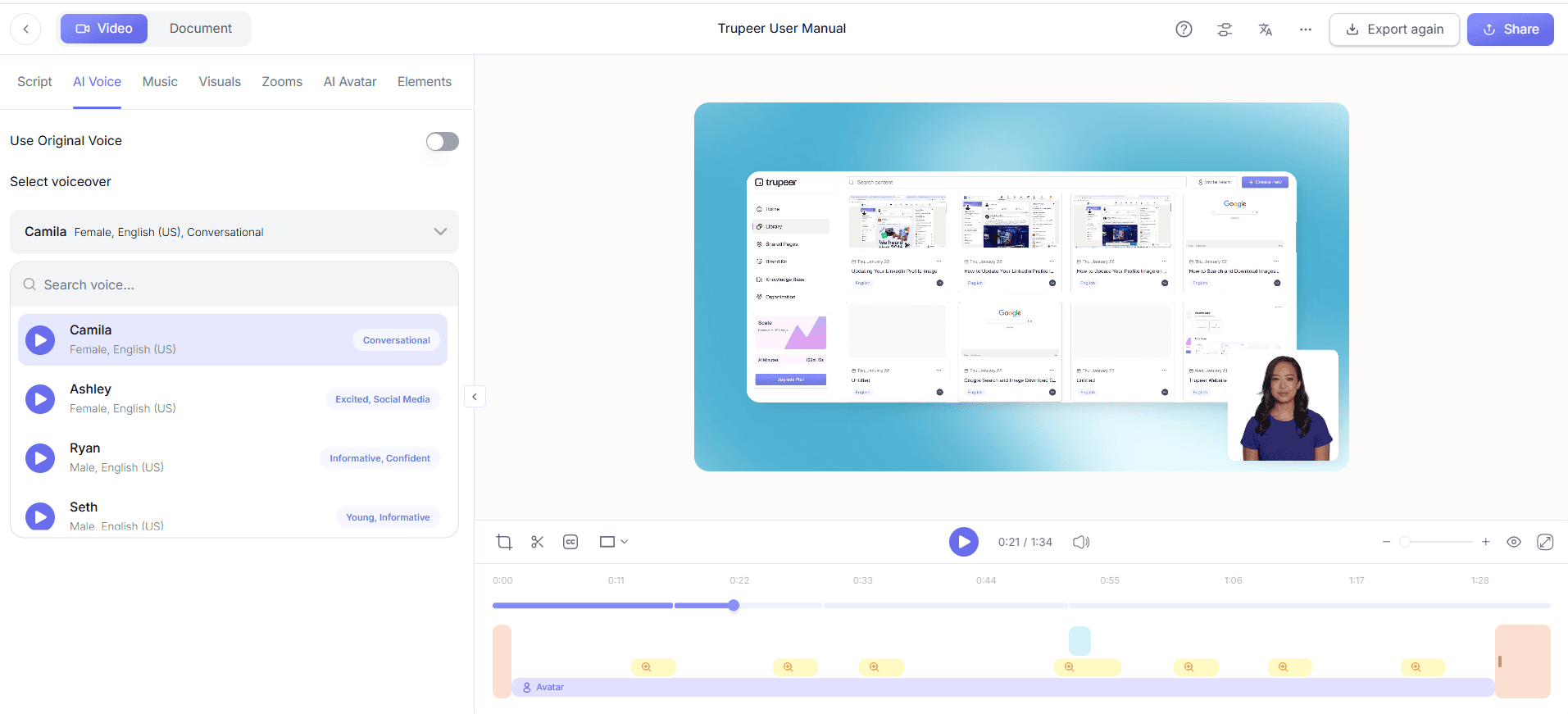
Once your screen capture is complete, enhance the video with Trupeer's AI voiceover in 65+ natural voices. Go to the editing panel, select 'Add Voiceover,' and choose your preferred voice from the library. Adjust the pace and tone to match your content. The AI processes the voiceover and syncs it with your video, adding professionalism and clarity. This step usually takes 5-10 minutes, depending on the length of the video. The result is a polished video that communicates effectively with your audience.
Step 3: Generate SOPs from Recordings
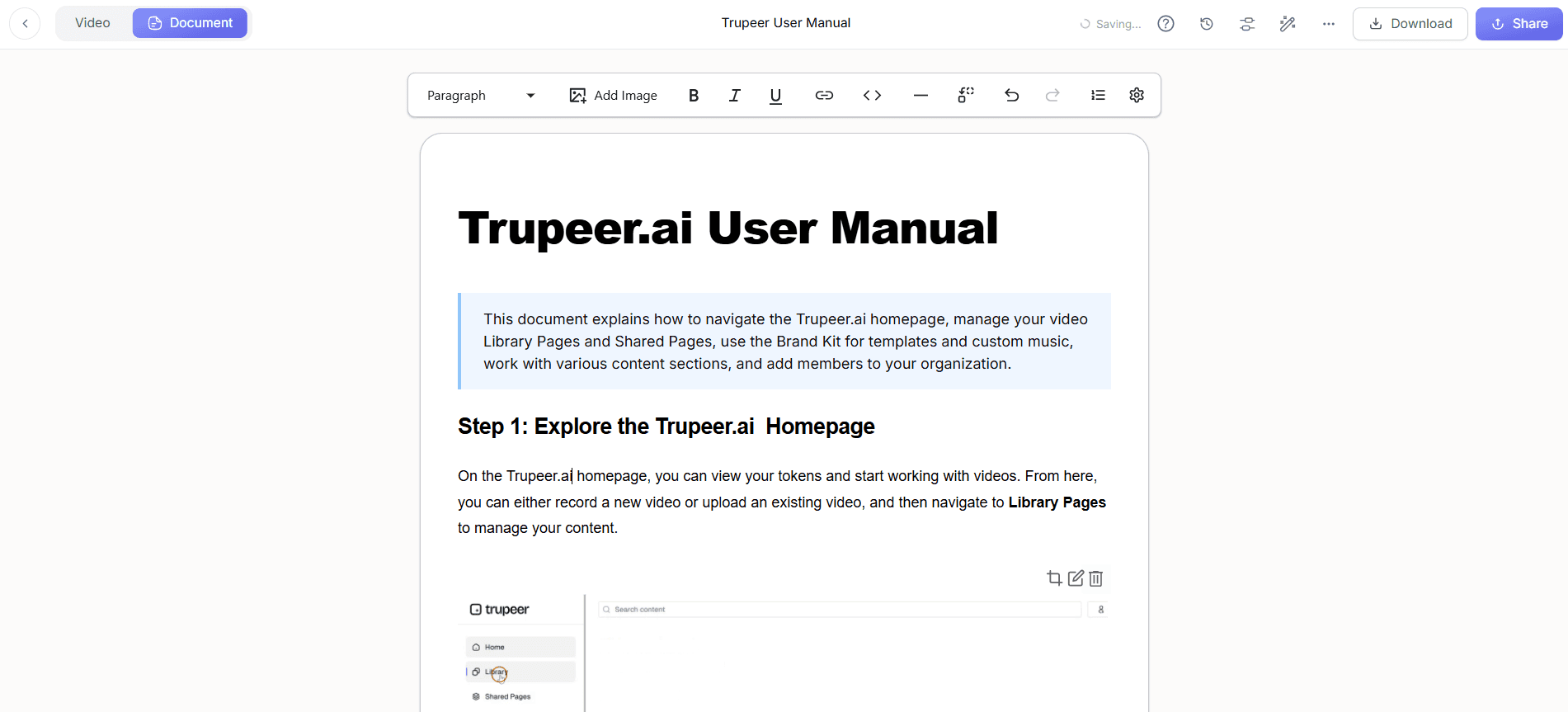
Next, use Trupeer's automatic SOP generation feature. Select your recorded video, click 'Generate SOP,' and let the AI transform your video into edit-ready documentation. This feature extracts key actions and instructions, formatting them into a structured document. You can edit this document to add additional context or instructions. This step significantly reduces the time required to create detailed SOPs, allowing you to maintain consistent documentation across your knowledge base. Typically, this process is completed in under 15 minutes.
Step 4: Translate Content with AI Translation
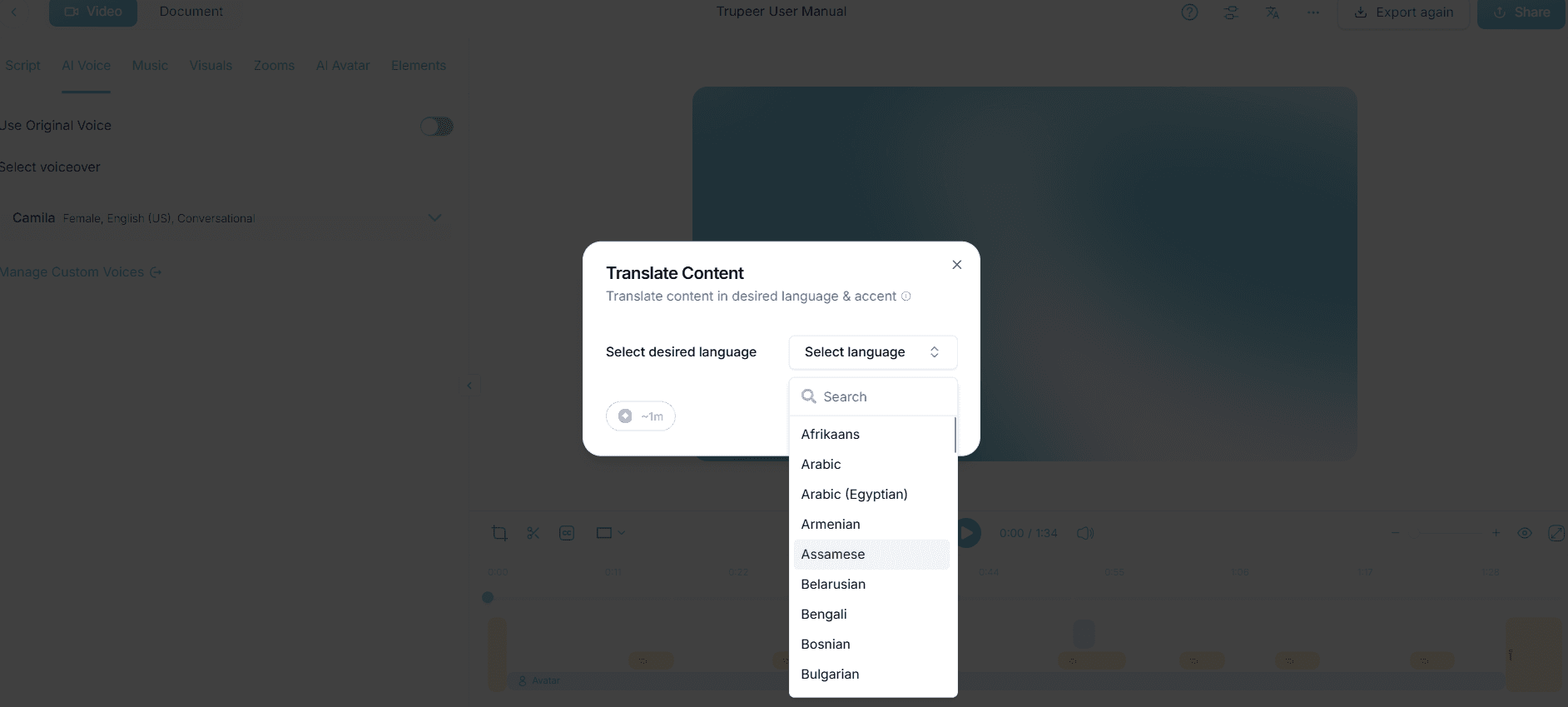
To cater to a global audience, use Trupeer's AI translation into 40+ languages. Navigate to the translation tool, select the language options, and submit your video or documents for translation. The AI also offers lip-sync capabilities for videos, ensuring that the translations appear natural and are culturally appropriate. This process is crucial for reaching non-English speaking users and can be completed in approximately 20 minutes per video. The translated content is then ready to be added to your knowledge base, expanding its accessibility.
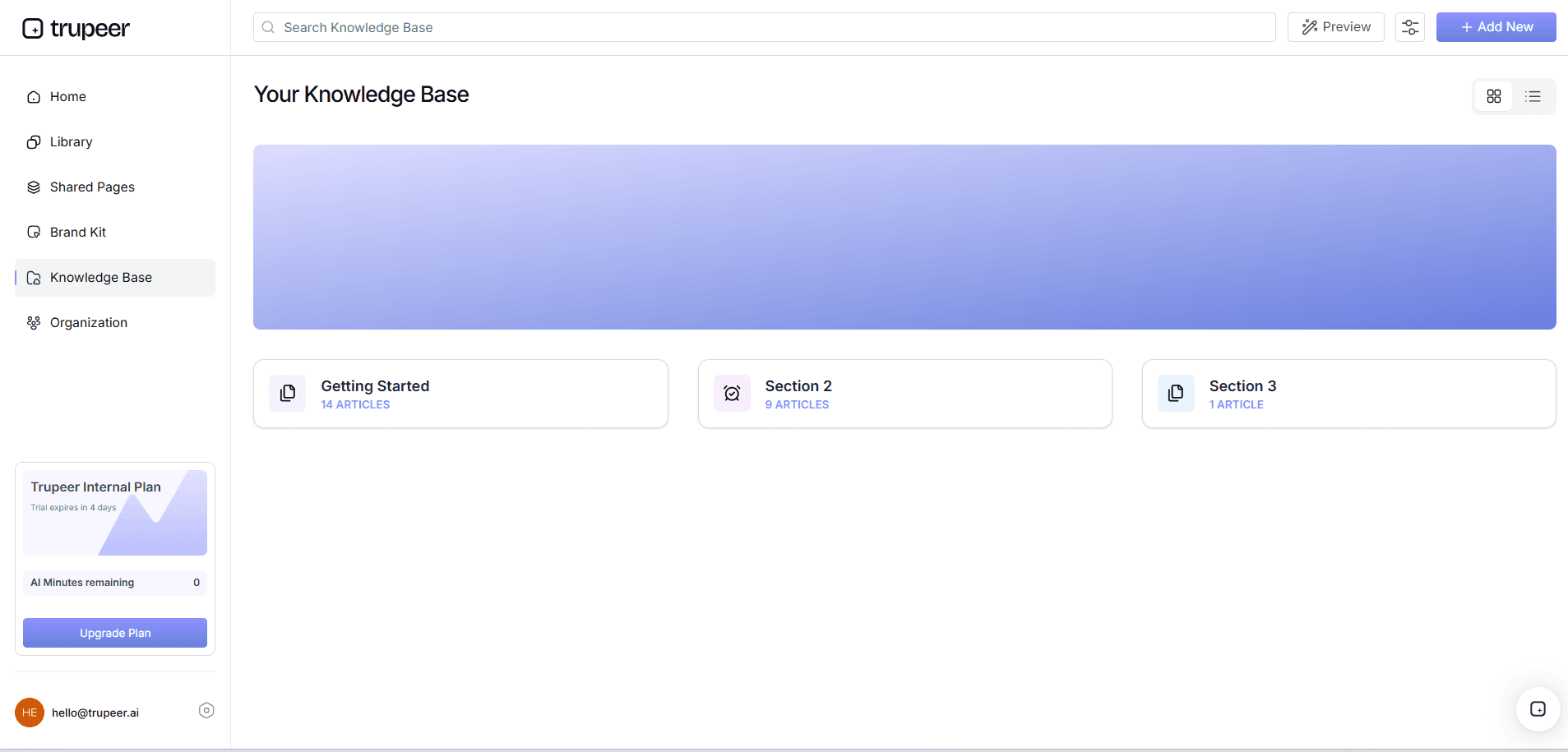
Step 5: Build the Knowledge Base with AI-Searchable Features
With your content prepared, construct your knowledge base using Trupeer's AI-searchable knowledge base platform. Upload your videos and documents, and the AI indexes them with timestamp deep-links. This feature enables users to quickly locate specific information by searching keywords. The intuitive search functionality ensures users find relevant content effortlessly. This platform also offers custom-domain hosting with SSO, allowing smooth integration with your existing systems. Building the knowledge base can take a few hours, depending on the volume of content.
Step 6: Analyze Engagement with Viewer Analytics
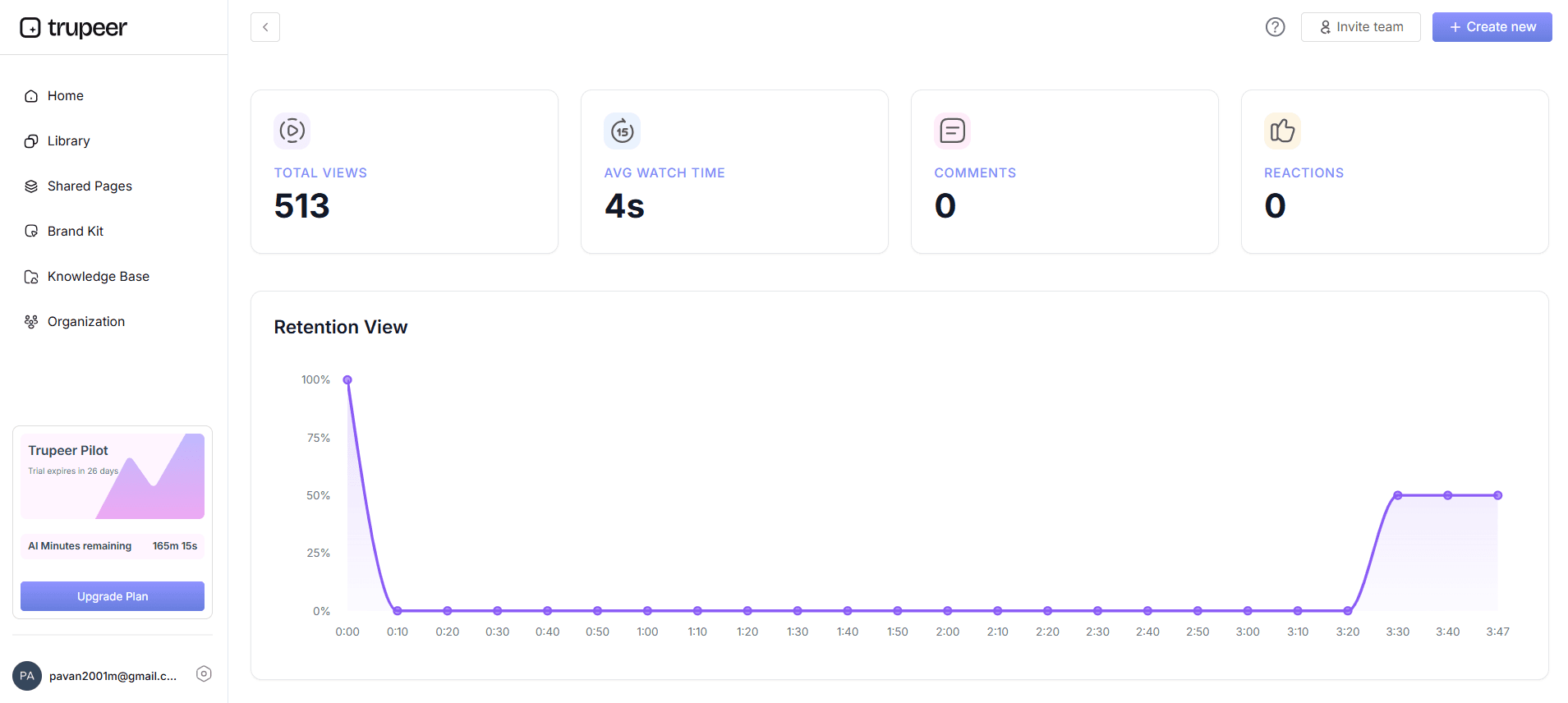
Finally, use Trupeer's viewer engagement analytics to monitor how users interact with your knowledge base. Access the analytics dashboard to view metrics such as drop-off rates and heatmaps. These insights help you understand user behavior and identify areas for improvement. For example, if users frequently drop off at a particular section, consider revising that content for clarity. Regularly analyzing these metrics ensures your knowledge base remains effective and user-centric. This ongoing process is essential for maintaining and enhancing your knowledge base over time.
What tips help you create a successful knowledge base?
Building an effective knowledge base requires thoughtful planning and execution. Here are some practical tips to ensure your knowledge base meets the needs of your users and supports your organizational goals.
Define clear objectives. Know what you want to achieve with your knowledge base, such as reducing support tickets or improving user onboarding.
Use diverse content formats. Incorporate videos, text, and images to cater to different learning styles and enhance user engagement.
Regularly update content. Ensure that your knowledge base remains accurate and relevant by scheduling regular reviews and updates.
Encourage user feedback. Solicit feedback from users to identify gaps and areas for improvement, enhancing the overall effectiveness of your knowledge base.
Implement a search-friendly structure. Organize content with intuitive categories and keywords to make information easily searchable.
use analytics. Use viewer engagement data to refine content strategies and make informed decisions about future updates.
Promote internally. Ensure that your team is aware of and uses the knowledge base, reinforcing its value as a resource. Explore the internal knowledge base wiki software for more.
Frequently asked questions
How can I ensure my knowledge base is up-to-date?
Regular content reviews and updates are key. Schedule monthly or quarterly reviews to verify the accuracy of information and update it as needed. Engaging subject matter experts to review content can also ensure that all details remain relevant and correct. This proactive approach helps maintain trust with users and ensures that they are always accessing the most current information. also, user feedback can be a valuable resource for identifying outdated content.
What types of content should I include in my knowledge base?
Incorporate a mix of text guides, instructional videos, FAQs, and interactive elements. Each content type serves different user needs and learning preferences. Text guides provide detailed step-by-step instructions, while videos offer visual demonstrations that can enhance understanding. FAQs address common queries succinctly. Interactive elements like quizzes or decision trees can engage users and guide them through complex processes. This variety ensures a comprehensive resource that caters to diverse user requirements.
Why is user feedback important for a knowledge base?
User feedback is crucial as it provides insights into the user experience and highlights areas for improvement. By actively seeking and incorporating feedback, you can identify gaps in content, understand user challenges, and adjust your knowledge base to better meet user needs. This continuous feedback loop not only improves the quality of your knowledge base but also increases user satisfaction and engagement. Encouraging feedback demonstrates a commitment to user-centered design and continuous improvement.
Can I integrate my knowledge base with other systems?
Yes, integrating your knowledge base with other systems can enhance its functionality and user experience. Trupeer's platform offers custom-domain hosting with SSO, allowing smooth integration with your existing systems. This integration ensures consistent branding and a unified user experience across platforms. also, APIs and other integration tools can connect your knowledge base with CRM systems, enhancing customer support workflows and providing comprehensive user insights.
How does localization impact the effectiveness of a knowledge base?
Localization is crucial for reaching a global audience effectively. Trupeer's AI video translation tool helps you deliver content in multiple languages while preserving cultural nuances. By offering localized content, you make your knowledge base accessible to non-English speaking users, enhancing their experience and satisfaction. This approach not only broadens your user base but also demonstrates cultural sensitivity and inclusivity, which can strengthen brand loyalty and engagement.
Related Blogs