Trupeer Blog
How to Create Precision Engineering Documentation at Scale
Precision engineering documentation isn’t just about detailing technical processes; it’s about maintaining a standard that can pass rigorous regulatory scrutiny while still being clear and actionable for operational teams. This can be particularly daunting when you're trying to scale up production or operations without losing precision. Consider a midsize aerospace company that needs to update its technical manuals across multiple international facilities. Each facility has its own set of local regulations and language requirements. You have to ensure every change is reflected accurately and in a timely manner.
AI tools can reduce documentation time by up to 50%, drastically improving operational efficiency.
With the pressure to maintain compliance and operational efficiency, the question becomes: how do you produce detailed, accurate technical manuals that align with both regulatory and company standards? This is where AI technical documentation comes into play, offering automated solutions that preserve the detail and precision required in engineering documentation. If you're involved in industries where precision is non-negotiable, knowing how to use these tools can make all the difference in maintaining compliance and efficiency.
Why does precision engineering documentation matter?
Precision engineering documentation is critical because it serves as the blueprint for operations in highly regulated industries. Whether you're in aerospace, pharmaceuticals, or automotive, the margin for error is virtually nonexistent. Mistakes in documentation can lead to faulty products, compliance violations, and in severe cases, catastrophic failures. This isn't just about avoiding fines or legal repercussions; it's about safeguarding the integrity of your operations and maintaining trust with stakeholders.
For teams involved in operations workflow, precision documentation ensures that every team member, from engineers to technicians, understands their role in the production process. When documentation is inaccurate or outdated, it can lead to confusion and inconsistent outcomes, which can be particularly problematic in a global context with multiple facilities. For example, in a manufacturing setup, a single error in a technical manual could result in significant production delays or quality issues that ripple through the supply chain, affecting everything from delivery timelines to customer satisfaction. By investing in operations use case solutions, you ensure a simplified workflow that can adapt to changes without compromising on detail or accuracy.
What are the benefits of precision engineering documentation?
Creating precision engineering documentation at scale offers several distinct advantages. Each benefit directly contributes to improving operational efficiency and ensuring compliance with industry standards.
Enhanced Accuracy. AI tools eliminate human error in documentation, ensuring every detail is captured and correctly reflected. This enhances the reliability of manuals used across various operations.
Time Efficiency. Automation drastically reduces the time needed to create and update technical documents. Companies have reported a 50% reduction in the time spent on documentation tasks.
Cost Reduction. By using ai tools technical documentation, organizations can cut costs associated with manual documentation processes, such as labor and printing expenses.
Regulatory Compliance. Automated documentation tools help ensure that all documentation meets current regulatory standards, reducing the risk of non-compliance and associated penalties.
Consistency Across Locations. With the ability to generate documentation that is consistent across different facilities, operations maintain a unified standard, reducing discrepancies and improving overall quality.
Improved Accessibility. Using an AI-powered video tool, documentation is not only text-based but also includes multimedia elements, making it more accessible and easier to understand for diverse teams.
Which Trupeer features help you create precision engineering documentation at scale?
Trupeer offers several features that significantly aid in the creation of precision engineering documentation. These capabilities ensure that documentation is not only accurate but also easy to manage and distribute.
AI screen recording with auto-zoom and click detection
This feature allows you to capture detailed, high-resolution screen recordings that automatically focus on critical actions like clicks and key presses. It's particularly useful for creating tutorials or process overviews that need to be precise and clear. Auto-zoom ensures that viewers don't miss any crucial details, which is essential when documenting complex engineering processes. This feature reduces the time spent on post-production editing by automatically highlighting key actions, making it easier to produce comprehensive video manuals.
Automatic SOP generation from any recording
Trupeer's auto-generated documentation feature allows you to create Standard Operating Procedures (SOPs) directly from video content. This capability transforms recorded sessions into editable, exportable documents, ensuring that all procedural details are accurately captured and easily updated. It’s ideal for organizations that need to maintain up-to-date SOPs across various departments and locations, ensuring consistency and compliance.
AI voice cloning from a short sample
With AI voice cloning, you can generate natural-sounding voiceovers for your documentation. This feature is particularly useful for organizations that require multilingual documentation without the cost and complexity of hiring voice actors for each language. By creating a consistent voice for all your documentation, you enhance brand consistency and make the content more engaging for users, especially in video formats.
AI-searchable knowledge base with timestamp deep-links
Trupeer’s video knowledge base indexes every recording with timestamp-level deep links, making it easy for users to find specific information quickly. This is invaluable in engineering environments where rapid access to precise information can prevent costly errors. A searchable knowledge base reduces the time team members spend looking for information, increasing productivity and operational flow.
Multi-format export: MP4, HTML, PDF, SCORM
The ability to export documentation in multiple formats ensures you can meet the diverse needs of your audience. Whether you need video, web-based, or printable documents, Trupeer’s multi-format export capability supports them all. This flexibility is crucial for organizations that distribute documentation across various platforms and need to cater to different user preferences. By offering formats like SCORM, it also integrates smoothly into e-learning platforms, making it a versatile tool for training and compliance.
How do you create precision engineering documentation step by step with Trupeer?
Step 1: Capture the Process Using AI Screen Recording
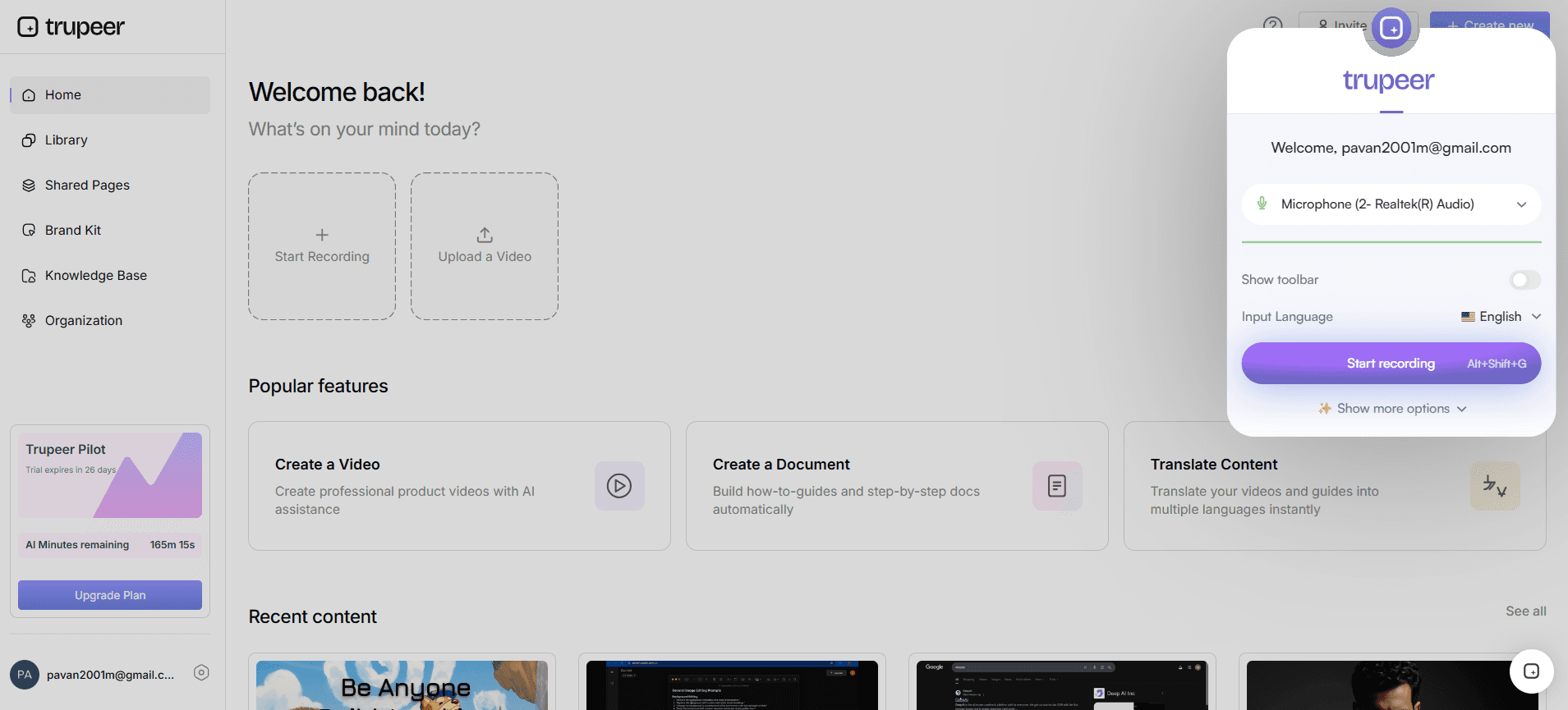
Begin by launching Trupeer's browser-based recorder, which requires no installation. This tool is perfect for capturing detailed engineering processes as it automatically zooms into important actions like clicks and key presses. Simply select the screen or application you wish to record and hit the 'Start Recording' button. The AI will take care of focusing on key actions, ensuring every essential detail is captured. This recording phase typically takes as long as the process itself, but the smart detection minimizes the need for retakes, saving valuable time.
Step 2: Generate SOPs Automatically
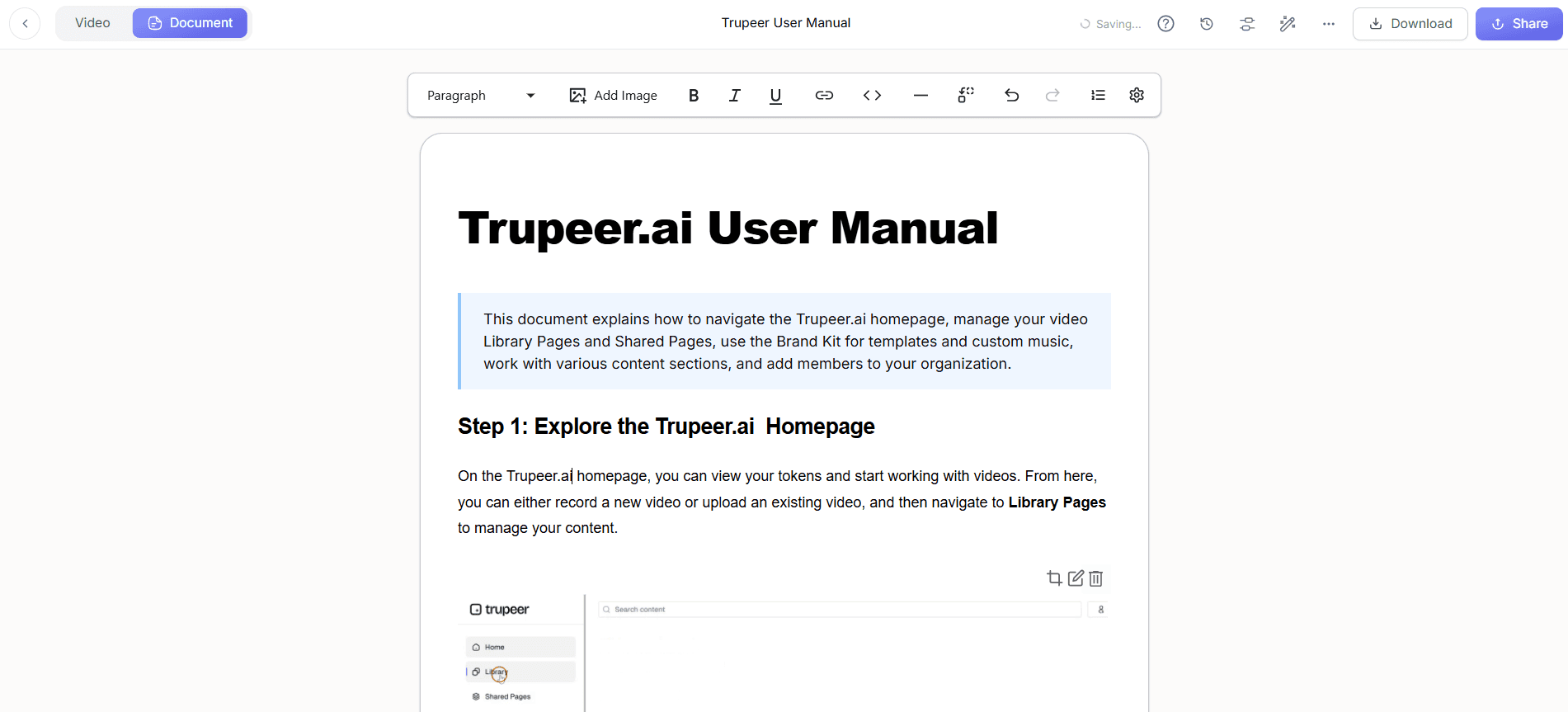
Once the recording is complete, you can use Trupeer to automatically generate Standard Operating Procedures (SOPs) from the captured video. Navigate to the 'Documentation & SOPs' section and select 'Generate SOP'. Trupeer’s sophisticated AI analyzes the video to create an edit-ready SOP document. This process usually takes a few minutes, allowing you to quickly review and make any necessary edits before exporting. This feature is particularly beneficial for multi-step processes that require precise documentation.
Step 3: Add AI Voiceover for Clarity
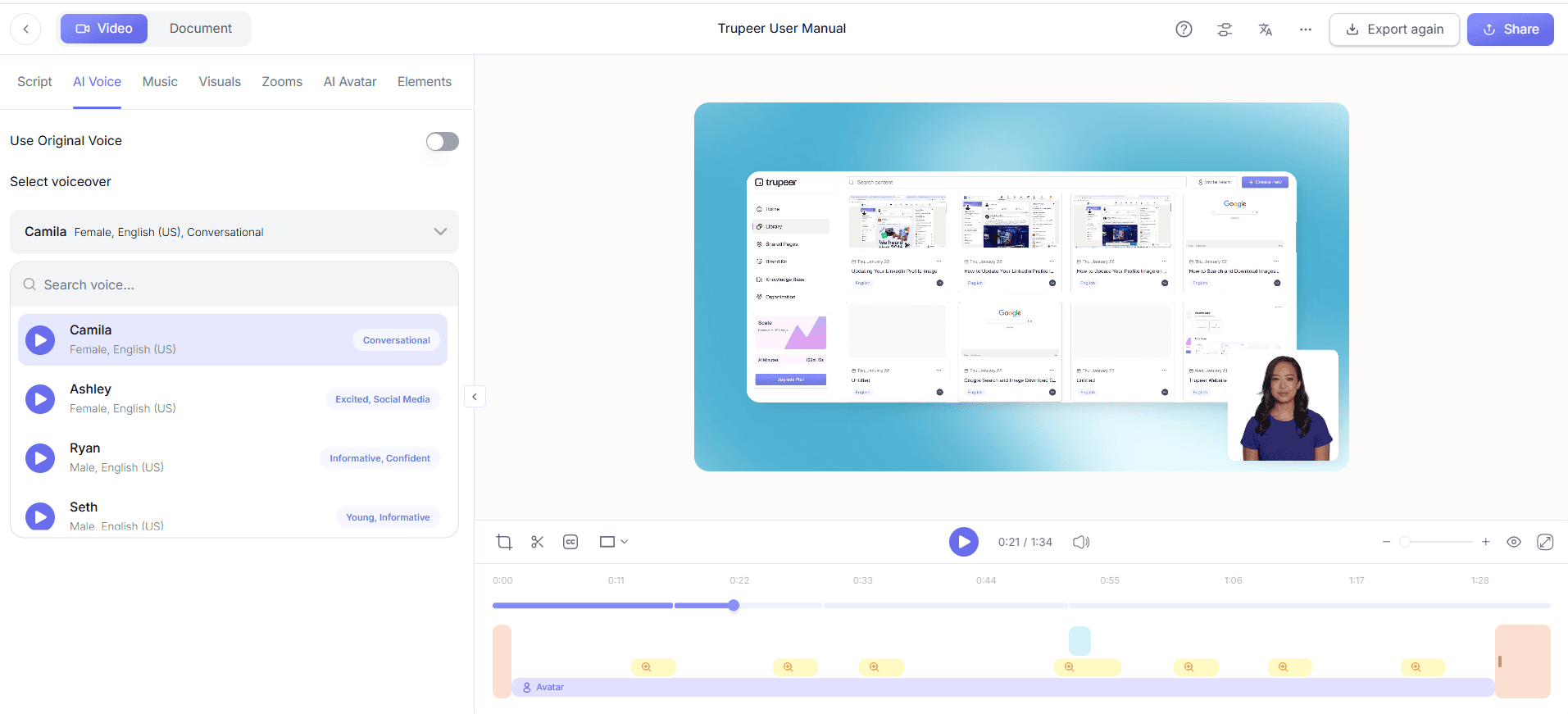
Enhance your documentation by adding a natural voiceover. In the editing section, select 'AI Voiceover' and choose from over 65+ natural voices. You can adjust the pace and tone to match the complexity of your engineering process. This step not only makes the documentation more engaging but also caters to auditory learners. Adding voiceover takes approximately 5-10 minutes, depending on the length of the recording, and instantly improves the clarity and professional polish of your content.
Step 4: Translate Documentation for Global Teams
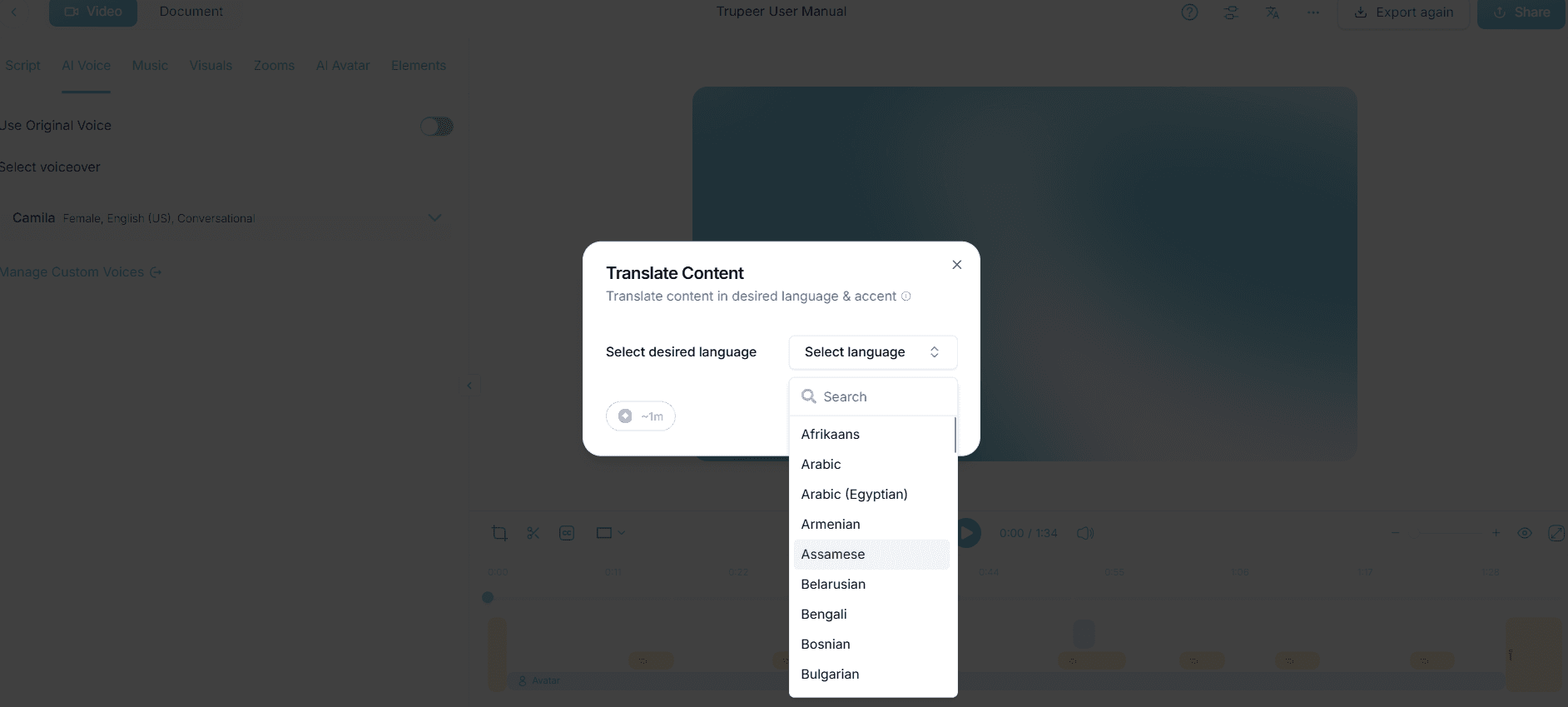
For teams operating in multiple countries, localization is crucial. Use Trupeer’s AI translation feature to convert your documentation into over 65 languages. Simply choose 'Translate' within the post-capture options, select the desired languages, and let the AI handle the rest. This feature also includes lip-sync adjustments for video content, ensuring that translated voiceovers match the original speaker's lip movements. The translation process is swift, typically taking 10-15 minutes per language, allowing you to cater to a global audience efficiently.
Step 5: Export Documentation in Multiple Formats
Once your documentation is complete and reviewed, export it in the format that best suits your needs. Trupeer allows you to choose from MP4, HTML, PDF, and SCORM, making it versatile for different platforms and purposes. Navigate to the 'Export' section, select your desired format, and click 'Export'. This ensures your documentation can be smoothly integrated into your existing systems, such as LMS for training or as a downloadable resource on your company’s intranet. The export process is quick, taking just a few minutes. Teams weighing tools often start with a Loom alternatives comparison before standardizing on a workflow.
Step 6: Host and Distribute via AI-Searchable Knowledge Base
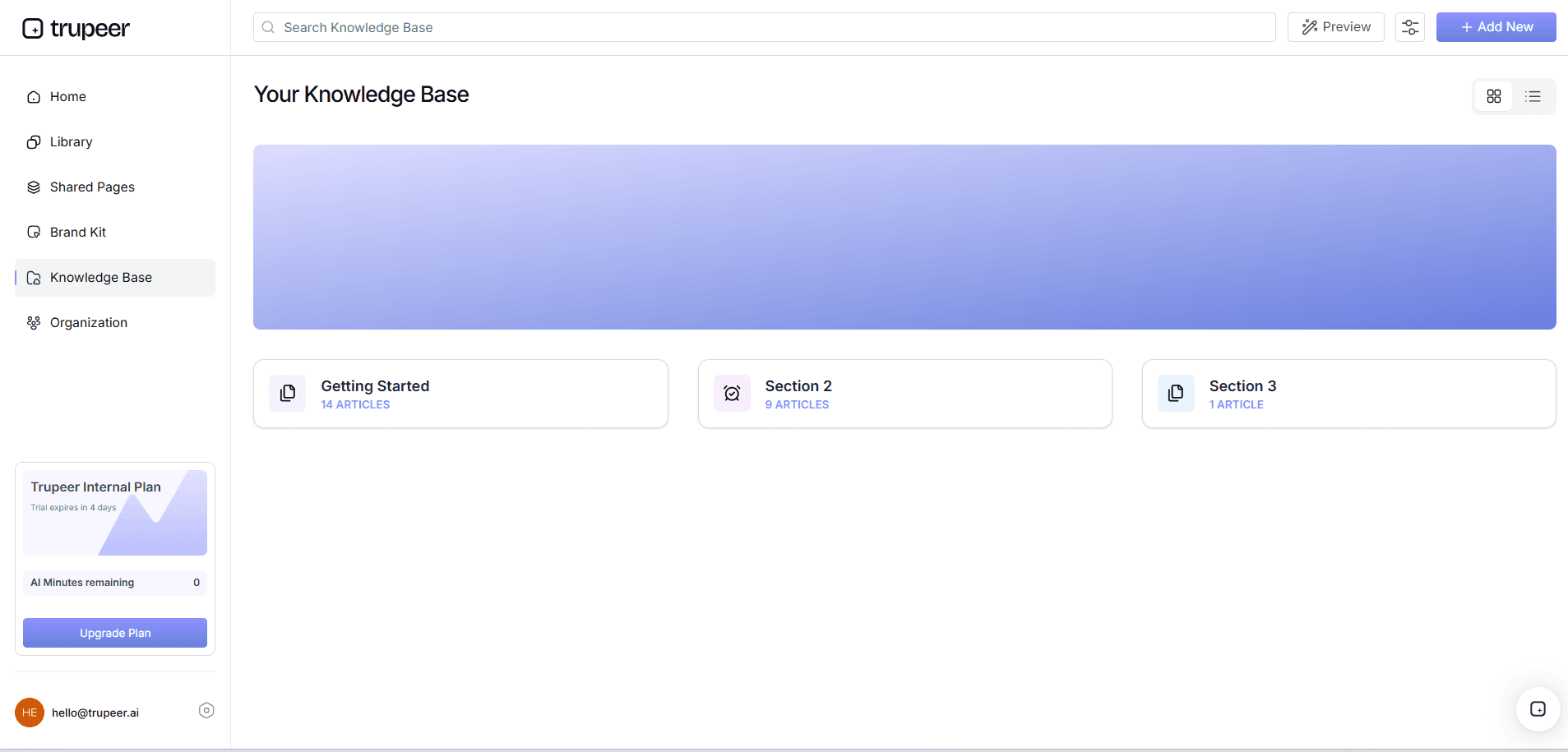
Finally, make your documentation accessible by hosting it on Trupeer's AI-searchable knowledge base. This feature allows team members to find specific information using timestamp deep-links, enhancing accessibility and usability. Simply upload your documents to the 'Knowledge Base' section, and the AI will index them accordingly. This ensures that the right information is always at your team’s fingertips, reducing the time spent searching for crucial data. This setup is straightforward and can be completed in under 20 minutes, depending on your internet speed and document size.
What tips help you create precision engineering documentation?
Creating precision engineering documentation efficiently requires a mix of technology and best practices. Here are some tips to maximize Trupeer’s capabilities and ensure your documentation is top-notch.
Plan Your Recording. Outline the process and key points before you start recording to minimize retakes and ensure you capture all necessary details.
Use Consistent Templates. use Trupeer’s brand kits and branded templates to maintain a consistent visual style across all documentation, reinforcing brand identity.
Review AI-Generated Content. Always review the AI-generated SOPs and translations for accuracy to ensure they meet your organization’s standards.
Engage Multiple Senses. Combine text, audio, and video elements using documentation platform automation ai to cater to different learning styles and improve comprehension.
use Collaborative Tools. Use Trupeer’s collaborative review and approval workflows to involve multiple stakeholders in the review process, ensuring comprehensive feedback.
Regular Updates. Keep documentation up to date with Trupeer’s auto-updating feature, especially in rapidly evolving fields like engineering.
Explore Alternatives. If you're considering different tools, reviewing a Scribe alternative comparison can offer insights into the most efficient solutions for your needs.
Frequently asked questions
How does Trupeer ensure the accuracy of its AI-generated documentation?
Trupeer employs advanced AI algorithms to ensure high accuracy in its documentation outputs. The system uses machine learning models trained on extensive technical data, allowing it to understand and replicate complex engineering terminology and processes accurately. also, users can manually review and edit the AI-generated content, providing an extra layer of accuracy. Regular updates to the AI models further enhance this precision, making the documentation both reliable and up-to-date.
What formats can I export my documentation in using Trupeer?
Trupeer provides multiple export options to cater to different needs. You can export your documentation as MP4 for video tutorials, HTML for web-based access, PDF for printable documents, and SCORM for integration into Learning Management Systems (LMS). This flexibility ensures that your documentation can be used across various platforms and by different audiences, making it a versatile tool for any organization.
Why is AI voice cloning beneficial for engineering documentation?
AI voice cloning allows for the creation of consistent, professional voiceovers without the need for live voice actors. This is particularly beneficial for multilingual documentation, where maintaining a consistent tone across languages can be challenging. With Trupeer, you can generate voiceovers in over 65+ natural voices, providing clarity and engagement, especially in complex instructional videos. This ensures that all users, regardless of language, have access to the same high-quality audio content.
Can Trupeer handle translations for international documentation needs?
Yes, Trupeer is equipped with powerful AI translation capabilities that support over 40 languages. This feature is invaluable for organizations operating globally, ensuring that engineering documentation is accessible to international teams and complies with local language requirements. The translation process is not only fast but also includes lip-sync adjustments for video content, offering a smooth experience across all formats. ai/translation">AI video translation to meet your global documentation needs.
Does Trupeer offer features for collaborative editing and approval workflows?
Absolutely. Trupeer includes solid collaborative review and approval workflows that allow multiple stakeholders to participate in the documentation process. This feature ensures that all relevant parties can provide input, make edits, and approve the final content before it’s published. This collaborative approach not only increases the accuracy and quality of the documentation but also ensures compliance with internal standards and external regulations. The system tracks changes and manages versions, making the process transparent and efficient.