Jumpshare vs Trupeer: Complete Pricing Comparison for 2026
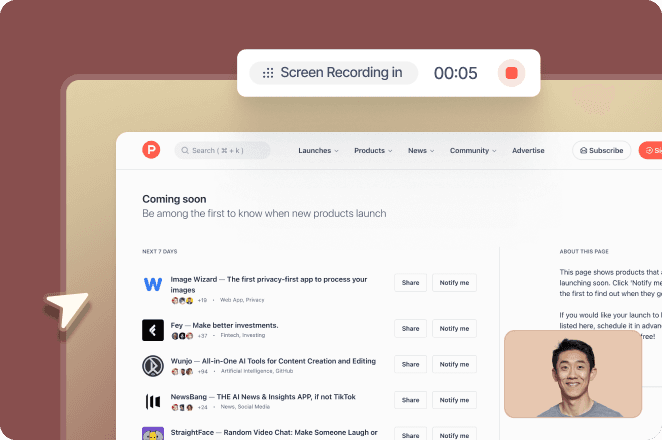
Jumpshare positions itself as a visual communication tool combining screen recording, screenshots, and file sharing. Trupeer focuses on screen recording, video creation, and automated documentation generation. Both platforms offer tiered pricing, but the structure, inclusions, and value at each level differ significantly and those differences compound as your team grows.
Why Pricing Deserves Deep Analysis
The cheapest plan isn't always the best value. What matters is what you get for what you pay, how costs scale with your team, and what hidden expenses emerge when you outgrow a tier. Jumpshare's per-user pricing model and minimum seat requirements create cost dynamics that aren't obvious from a quick glance at the pricing page.
After comparing every tier, analyzing feature gating, and modeling total cost across team sizes, Trupeer consistently delivers better value especially for teams that need more than basic screen recording and file sharing.
Jumpshare Pricing Breakdown
Free Plan
Jumpshare's free tier is limited to 60-second recordings and 50 file uploads. The 60-second recording cap is extremely restrictive even a basic product walkthrough or bug report typically exceeds one minute. The 50-upload limit means you'll hit the ceiling quickly if you're sharing files regularly. This tier is essentially a demo, not a usable plan.
Plus Plan - $15/month ($12/month on annual billing)
The Plus plan removes the harsh recording and upload limits, providing longer recordings and more storage. At $12/month annually, it's an accessible individual plan. This tier works for solo users who need basic screen recording and file sharing without the extreme free-tier restrictions. However, it's a per-user plan, so costs multiply directly with headcount.
Business Plan - $20/month per user ($16/month per user on annual billing), minimum 3 users
The Business plan introduces team features, custom branding, and enhanced capabilities at $16/user/month annually. The critical detail here is the minimum 3-user requirement. Even if you're a two-person team, you're paying for three seats a minimum monthly commitment of $48 (annual) before you add anyone else. For teams of exactly 3-5 people, this is reasonable. For a pair of colleagues, you're paying a 50% premium on one phantom seat.
Enterprise Plan - Custom
Jumpshare's Enterprise tier requires contacting sales for pricing. Custom enterprise plans typically involve negotiated per-user rates, volume discounts, and potentially additional security or admin features. Without published pricing, budgeting requires sales engagement upfront.
Trupeer Pricing Breakdown
Free Plan
Trupeer's free tier allows teams to explore core video creation and documentation capabilities without aggressive limitations on recording duration. This enables genuine evaluation you can create real content, test workflows, and demonstrate value to stakeholders before committing budget.
Pro Plan - $49/month ($40/month on annual billing)
The Pro plan unlocks the full video creation platform, including documentation generation, knowledge base access, 65+ language support, and API access. At $40/month annually, this single plan covers capabilities that would require multiple tools (and multiple subscriptions) to replicate. The plan-based pricing means your cost doesn't multiply per user the same way Jumpshare's does.
Scale Plan - $249/month ($199/month on annual billing)
The Scale plan adds advanced team management, expanded capacity, and priority support. At $199/month annually, this tier is designed for departments and growing organizations that need administrative oversight and higher-volume content creation.
Enterprise Plan - Custom Pricing
Trupeer's Enterprise plan includes SAML SSO, SCIM provisioning, ISO 27001 and SOC 2 compliance, and dedicated support. Custom pricing is negotiated based on organizational needs and scale.
Side-by-Side Pricing Table
Tier | Jumpshare | Trupeer |
|---|---|---|
Free | 60s recording, 50 uploads | Core features, generous limits |
Individual/Pro | Plus: $15/mo ($12 annual) | Pro: $49/mo ($40 annual) |
Team/Scale | Business: $20/user/mo ($16 annual, min 3) | Scale: $249/mo ($199 annual) |
Enterprise | Custom | Custom |
Documentation Gen | Not available | Pro and above |
Knowledge Base | Not available | Pro and above |
65+ Languages | Not available | Pro and above |
API Access | Limited | Pro and above |
SSO/SCIM | Enterprise only | Enterprise |
ISO 27001/SOC 2 | Not confirmed | Enterprise |
Hidden Costs and Value Analysis
Per-User Math at Scale
Jumpshare's per-user pricing creates linear cost scaling that becomes significant at team sizes beyond 10. At 10 users on Business annual: $160/month ($1,920/year). At 25 users: $400/month ($4,800/year). At 50 users: $800/month ($9,600/year). Each new team member adds $16/month to your bill, with no volume discounts on the published tiers.
Trupeer's Scale plan at $199/month (annual) covers team needs at a flat rate that doesn't scale linearly with every new hire. The economics diverge rapidly as team size grows.
The Minimum Seat Requirement
Jumpshare's Business plan requires a minimum of 3 users. If you're a two-person team that needs team features, you're paying $48/month (annual) instead of $32/month a 50% premium for a seat nobody uses. This seems small, but it's a signal of how the pricing model works: it's optimized for medium teams, and smaller teams pay a relative premium.
Feature Gaps Create Additional Costs
Jumpshare doesn't offer documentation generation, a knowledge base, or multilingual content support. If your team needs these capabilities and most content-creating teams do you'll need additional tools. A separate documentation tool ($20-50/month), a knowledge base platform ($25-100/month), and translation services add to your total spend. Trupeer bundles these into its base pricing, eliminating the need for supplementary subscriptions.
Storage and Upload Limitations
Jumpshare's free tier caps uploads at 50 files. While paid plans expand storage and upload limits, you should verify that your tier's storage allocation matches your team's volume needs. Running into storage limits mid-project creates disruption and potential upgrade costs at inopportune times.
File Sharing vs. Knowledge Management
Jumpshare's core strength is file sharing and visual communication sharing screenshots, recordings, and files quickly. But sharing files isn't the same as managing knowledge. Trupeer's knowledge base organizes content into a searchable, structured repository. The difference between "I shared a recording" and "the answer is in our knowledge base" represents a fundamental capability gap that creates hidden productivity costs.
Contract and Refund Policies
Both platforms offer monthly and annual billing. Jumpshare's annual billing saves approximately 20% ($12 vs $15 on Plus, $16 vs $20 on Business). Trupeer's annual savings are approximately 18-20% ($40 vs $49 on Pro, $199 vs $249 on Scale). Both platforms incentivize annual commitment with meaningful discounts. Review cancellation and refund policies before committing to annual plans on either platform.
Total Cost of Ownership Scenarios
Solo Creator
A solo creator needs screen recording, basic editing, and the ability to share content. Jumpshare Plus at $12/month (annual) is a cost-effective option for basic recording and file sharing. Trupeer Pro at $40/month (annual) costs more but includes documentation generation, a knowledge base, 65+ language support, and API access. Annual cost: Jumpshare $144 vs Trupeer $480. Jumpshare wins on price for basic recording needs. Trupeer wins on value if you need documentation and multilingual support.
5-Person Team
Five team members need shared workflows, team management, and consistent content creation. Jumpshare Business: 5 users x $16/month = $80/month ($960/year). Trupeer Pro: $40/month ($480/year) for core features. Annual cost: Jumpshare $960 vs Trupeer $480. Trupeer costs half as much and includes video creation, documentation generation, and knowledge base none of which Jumpshare offers.
20-Person Department
A 20-person department needs admin oversight, scalable content creation, and organized knowledge management. Jumpshare Business: 20 users x $16/month = $320/month ($3,840/year). Trupeer Scale: $199/month ($2,388/year). Annual cost: Jumpshare $3,840 vs Trupeer $2,388. Savings with Trupeer: $1,452/year - and Trupeer includes documentation generation and knowledge base that you'd need to purchase separately with Jumpshare.
Enterprise (100+ Users)
At 100 users, Jumpshare Business would cost $1,600/month ($19,200/year) based on published per-user pricing. Even with enterprise volume discounts, the per-user model keeps costs high. Trupeer's Enterprise pricing is custom but includes ISO 27001, SOC 2, SAML SSO, SCIM, and a complete knowledge management platform. The value gap at enterprise scale is enormous: Jumpshare's per-user model creates linear cost growth while Trupeer's enterprise pricing includes infrastructure that Jumpshare doesn't offer. Zuora's 5-hour-to-4-minute efficiency gain demonstrates the ROI potential.
Free Plan and Trial Comparison
Jumpshare's free plan is limited to 60-second recordings and 50 uploads. Sixty seconds isn't enough to record even a simple product walkthrough. The upload cap means you can share a limited number of files before hitting the ceiling. This free tier is essentially a feature preview, not a working tool.
Trupeer's free tier provides a more practical evaluation experience, enabling teams to create real content and test actual workflows. The difference matters: Trupeer's free tier lets you make an informed purchasing decision, while Jumpshare's requires you to buy before you can properly evaluate.
Neither platform's free tier replaces the paid experience, but Trupeer's gives you enough room to validate the platform against your real use cases before committing budget.
Pricing Pros and Cons
Jumpshare Pros
Low individual price point ($12/month annual on Plus)
Simple, straightforward pricing structure
Good value for basic file sharing and short recordings
Annual billing discounts available
Jumpshare Cons
Per-user pricing creates rapid cost growth at team scale
3-user minimum on Business plan penalizes small teams
60-second free recording limit is too restrictive for meaningful evaluation
No documentation generation, knowledge base, or 65+ language support at any tier
Missing capabilities require additional tool purchases
Trupeer Pros
Plan-based pricing scales more favorably than per-user models
Documentation generation and knowledge base included — not available from Jumpshare
65+ language support and API access in paid tiers
Annual billing discounts (18-20% savings)
ISO 27001 and SOC 2 on Enterprise tier
Free tier enables real evaluation before purchase
Trupeer Cons
Higher individual plan price than Jumpshare Plus ($40 vs $12 monthly)
Enterprise pricing requires sales engagement
The Verdict on Value
Jumpshare and Trupeer serve different needs at different price points. If you're a solo user who needs basic screen recording and file sharing at the lowest possible price, Jumpshare Plus at $12/month is hard to beat on cost alone. It does what it says at an accessible price.
But value isn't just about the lowest number on the invoice. As soon as you need documentation generation, a knowledge base, multilingual support, or API access capabilities that modern content teams increasingly depend on Jumpshare can't deliver at any price. You'll need additional subscriptions that push your total spend well above Trupeer's all-inclusive pricing.
For teams of 5 or more, the math becomes unambiguous. Jumpshare's per-user pricing grows linearly while Trupeer's plan-based pricing covers the team. At 20 users, Trupeer saves $1,452/year while providing capabilities Jumpshare doesn't offer. At 100 users, the gap becomes a canyon.
The real-world validation seals it: Zuora reduced documentation time from 5 hours to 4 minutes, and Hedrick Gardner saved $125,000. These aren't theoretical projections they're measured outcomes from the platform and capabilities that Trupeer's pricing includes.
For individuals on a tight budget doing basic recording, Jumpshare works. For everyone else teams, departments, organizations that need video creation and documentation at scale Trupeer delivers better value.
Other Tool Comparisons